 How nice does it sound to forget rigid curriculum maps and endless busywork? Project-based learning (PBL) offers homeschool families a powerful, flexible, and deeply meaningful way to approach education, and you don’t have to be a certified teacher or expert planner to make it work.
0 Comments

A project-based learning portfolio is one of the most powerful tools for capturing the full story of student growth. It’s more than a binder or digital folder; it’s a living collection of a student’s ideas, drafts, reflections, feedback, revisions, photos, and final products. Enter to learn more!
 Personalizing learning doesn’t have to mean creating 30 different lesson plans for 30 different students. The key is building a framework where students take the lead in shaping their own experiences. That’s where student-led project-based learning (PBL) comes in. It's a powerful, flexible way to meet each learner where they are while giving them ownership, purpose, and voice.
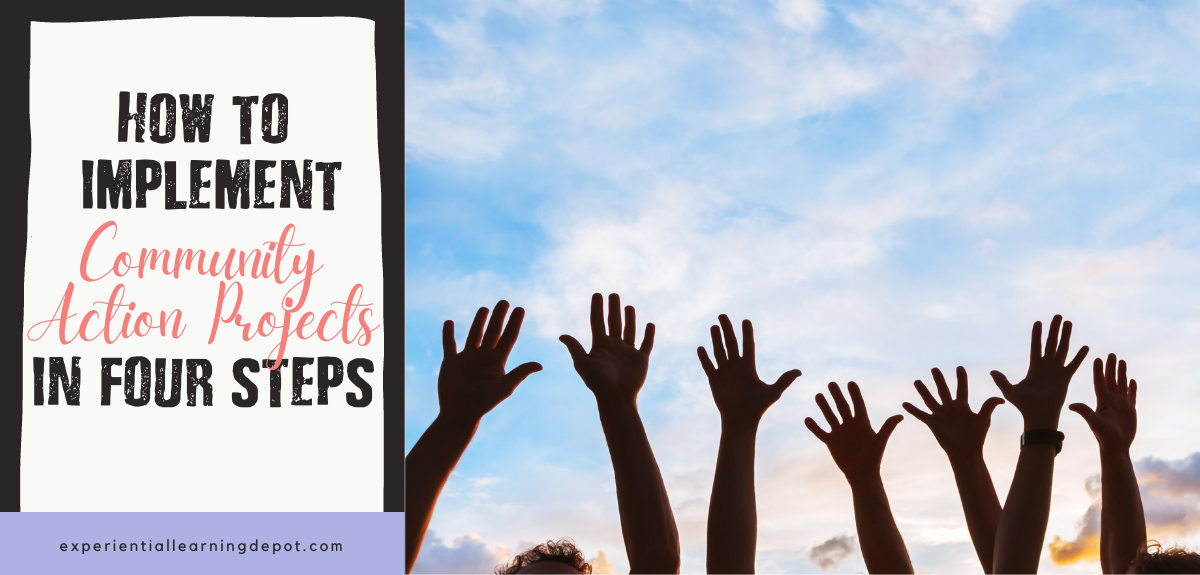
I incorporate community action projects into every part of my high school teaching. A community action project is a type of project-based learning in which students identify an issue in their community, research it, brainstorm solutions, create an action plan, and then put that plan into motion. These projects are a powerful form of self-directed, real-world service learning.
 Do you ever feel that no matter what you do or how hard you try, you just can't seem to reach all of your students? Project-based learning is a great way to not only reach your students but also engage them in personalized, meaningful work. How, you might ask? Let's take a look.
|
Blog IntentTo provide innovative educational resources for educators, parents, and students, that go beyond lecture and worksheets. AuthorSara Segar, experiential life-science educator and advisor, curriculum writer, and mother of two. 
Categories
All
Archives
October 2026
|
 RSS Feed