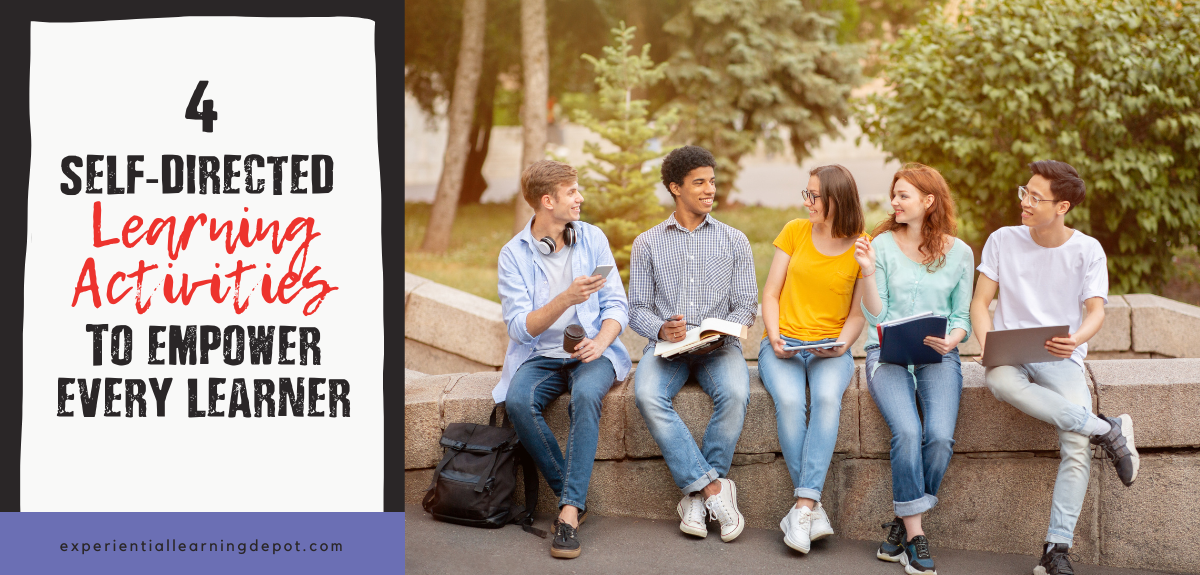
What are self-directed learning strategies that empower learners and promote agency? This is a popular question among educators that have an interest in self-directed learning and know the benefits, but aren’t sure about how to go about incorporating self-directed learning strategies in their classroom or homeschool.
1 Comment
I often get asked about tips for helping students build self-direction skills. Teachers commonly enter the world of student-led learning inspired and confident but quickly discover that many of their students are unable to self-direct, and that can be frustrating not just for you but for your students as well.
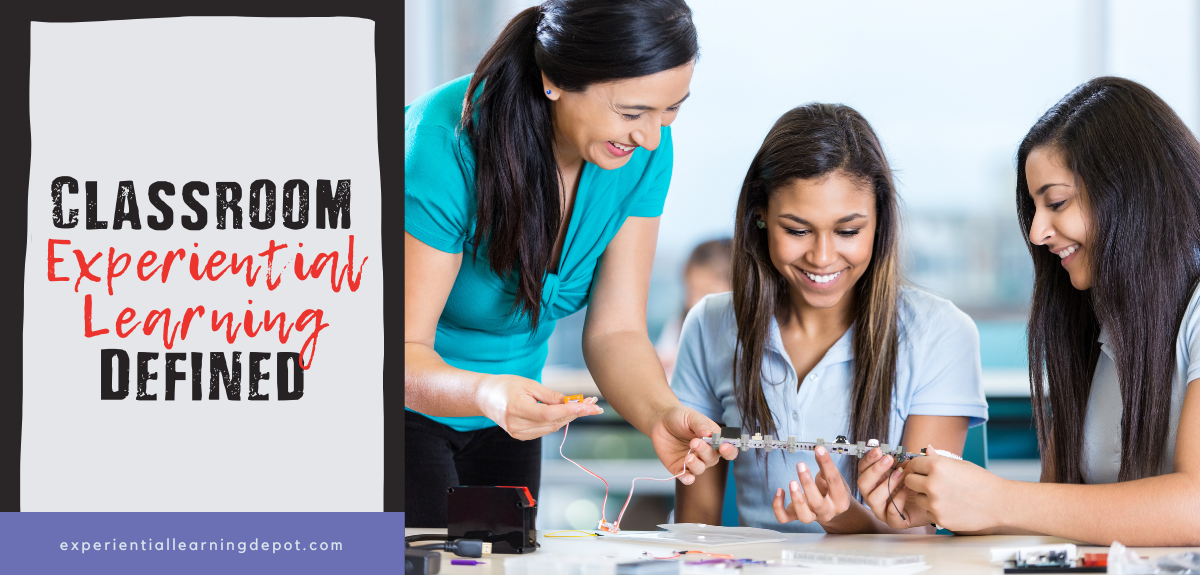 What is experiential learning anyway? How is experiential learning defined? What does K12 classroom experiential learning look like? What are the characteristics of experiential learning? What are examples of experiential learning? What are experiential learning activities? Why is experiential learning important and what are the benefits? I get these questions a lot.
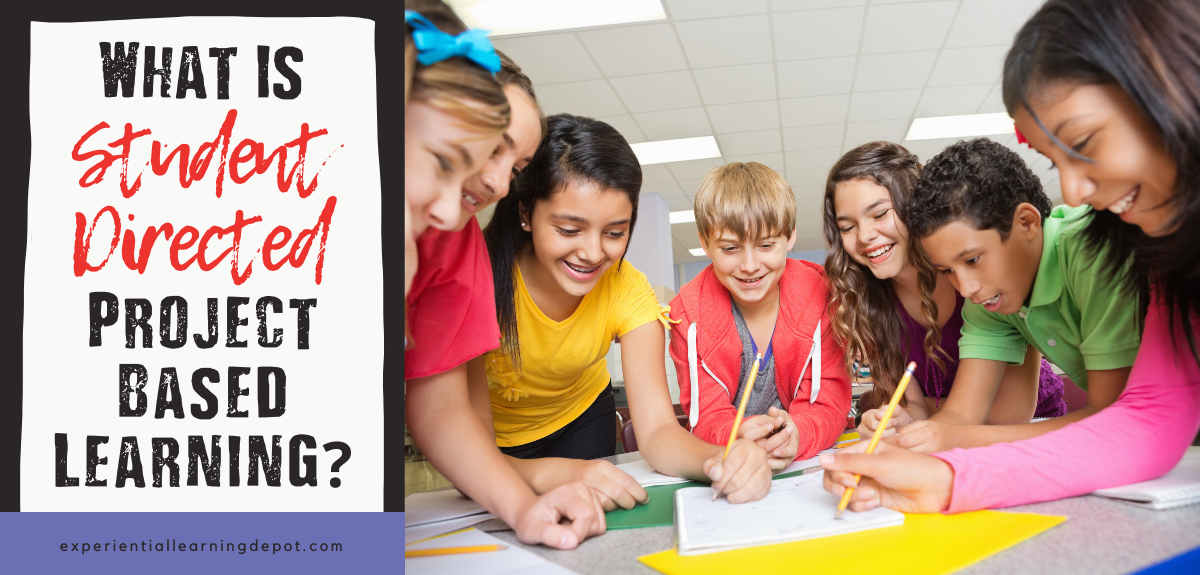
What is project-based learning? What is self-directed learning and how is self-directed project-based learning different than standard PBL? Why is self-directed project-based learning important for learners?
Get your answers! Start here. 
Yes, spring is here, and you know what that means! Student fundraiser project opportunities!
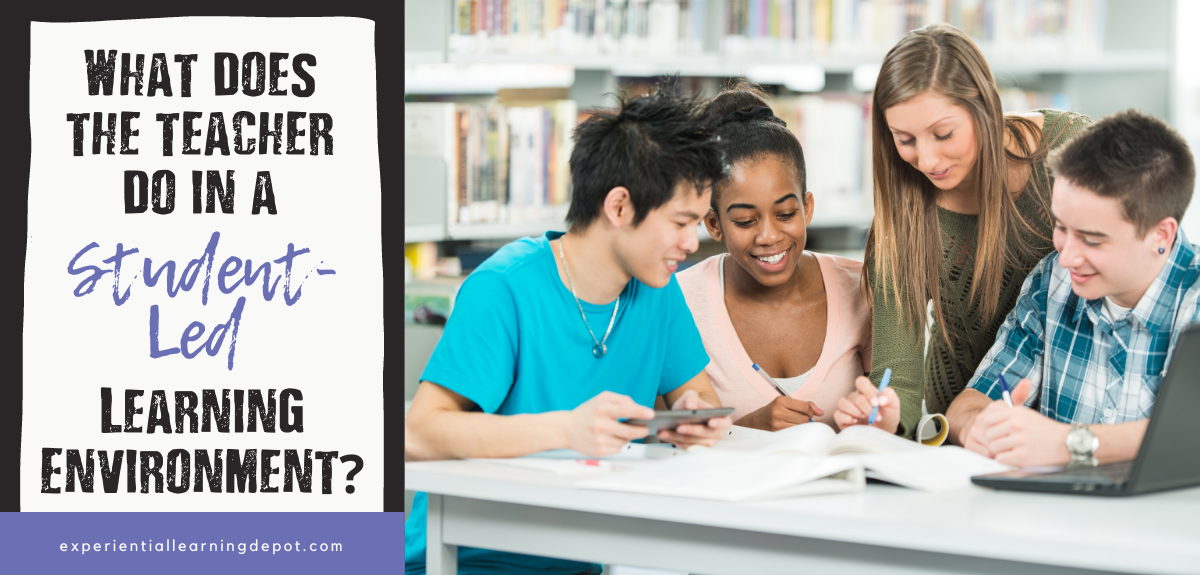
A student-led learning classroom environment looks different than a traditional learning setting, including the teacher's role.
But what does that look like? 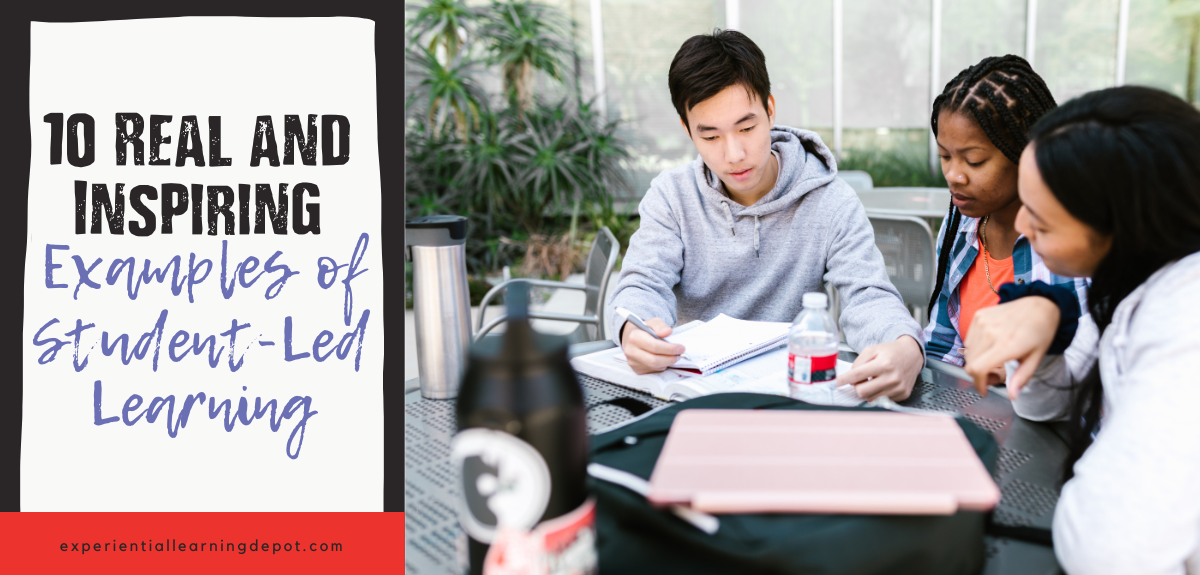 If you’ve been following along with my self-directed learning series, you know how fantastic it can be for both students and teachers. The desire is there to get students out of their seats and engaged in activities and learning experiences that they care about.
How nice would it be to have a student come to you and say that they want to learn more about this or that? That, my friend, is what student-led learning gets you; the desire to learn. But what does that look like? What is an example of self-directed learning at play? Let’s take a look at some real examples of self-directed learning in the classroom and at home that will make you want to get started right now! 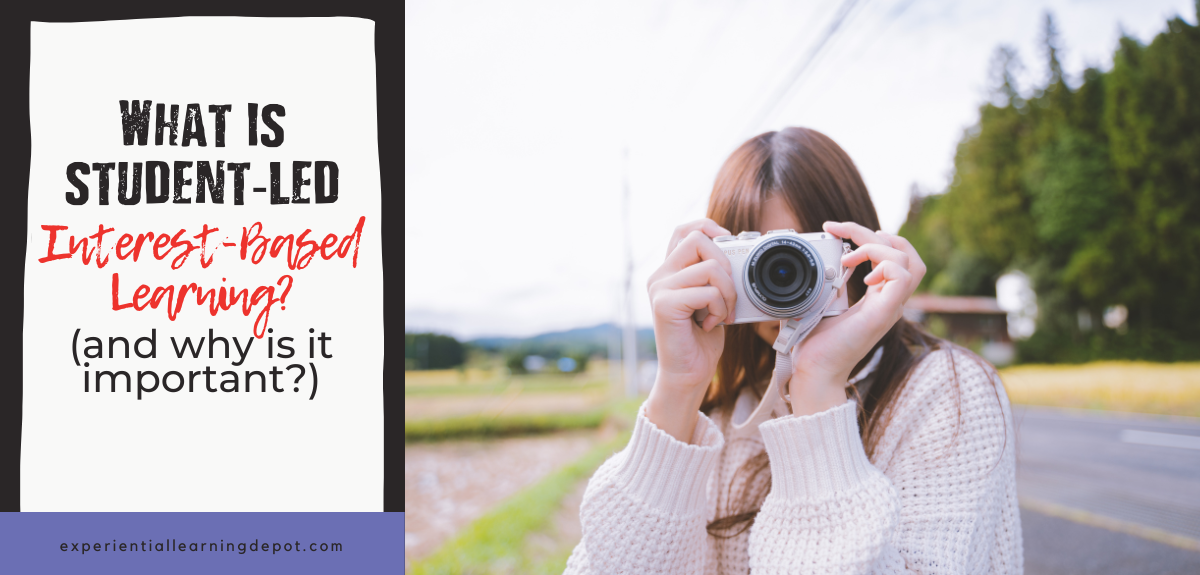 Student-led interest-based learning is the process of learners developing and leading their own learning experiences that are designed around their interests, passions, values, culture, and more. But what does student-led interest-based learning look like in a classroom learning environment? Let's take a look.
 The prospect of student-led learning can feel really exciting, especially if students have the space and freedom to choose their own topics and direction based on their interests.
But what happens when your students say “I don’t have any interests”? 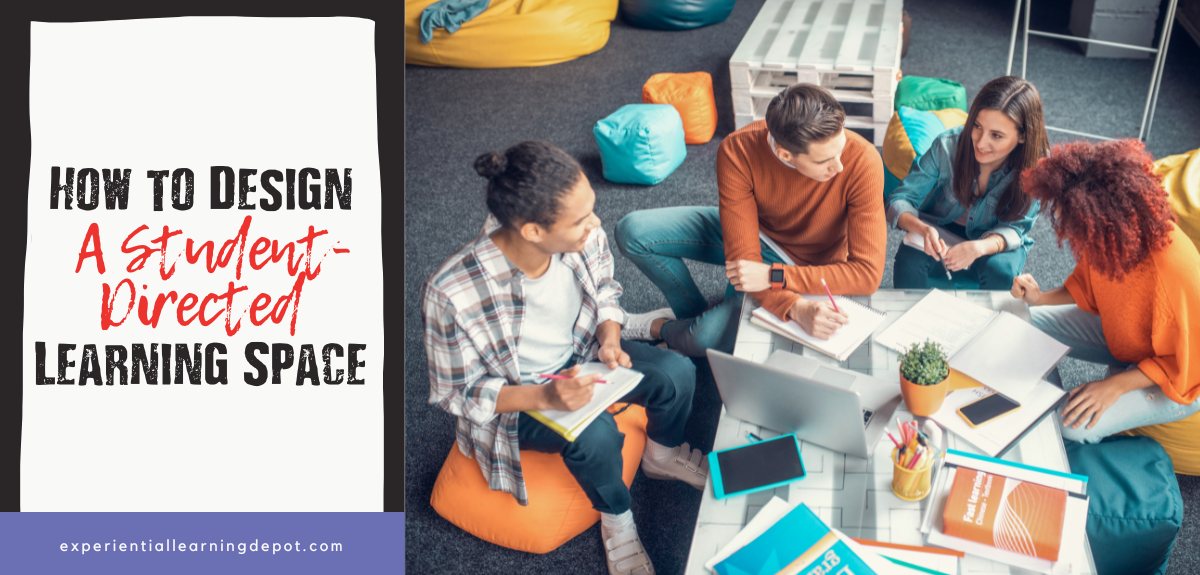
Student-directed learning is a worthwhile endeavor, with a variety of benefits, especially if you have set the stage to promote independence.
A great place to start is with the student-directed learning space itself. Designing your learning space in a way that promotes self-direction makes the transition to student-led easier and more enjoyable for everyone. Let's take a look. |
Blog IntentTo provide innovative educational resources for educators, parents, and students, that go beyond lecture and worksheets. AuthorSara Segar, experiential life-science educator and advisor, curriculum writer, and mother of two. 
Categories
All
|
 RSS Feed