|
Experiential learning resources for the innovative educator
 What is personalized teaching? In short, personalized teaching is offering personal learning / customized learning opportunities for each student. Learning experiences are based around every students' unique background, interests, strengths, challenges, goals, and more.  What are some personalized learning strategies? Personal Learning with Self-Directed Project-Based Learning StrategiesThere are many ways to make learning personal, and I highly recommend you go back to my post on that for more details. But my go-to strategy is self-directed project-based learning. All other personalized teaching strategies can fall under this category. For example, if a student is interested in doing a scientific inquiry experiment, they would write it into their project-based learning plan. They would design their PBL experience with that inquiry experiment in mind as one way to gather information. How to gather information is one of many opportunities for choice in self-directed PBL. I'm not going to bog this post down with the details of project-based learning because I have already done that in previous posts. But if you have not already, head back to these posts to catch up: 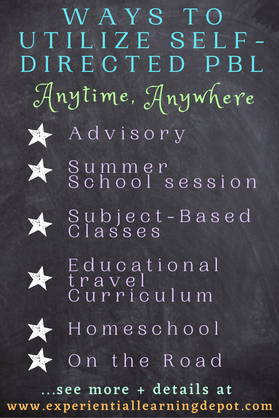 What are some personalized Project-Based Learning Opportunities? A common question is when and how do I incorporate self-directed project-based learning into my curriculum? My simple answer is that self-directed project-based learning can be implemented in any learning environment, every subject matter, every skill level, every grade level, and so on. I also recommend that you don't slip it into your curriculum or day-to-day here and there. Make it THE curriculum if you're able.
Community Action Project Blog Posts: 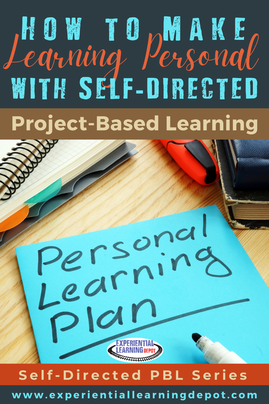 What does personalized, project-based learning look like in the classroom or homeschool? The structure of a project-based learning classroom, project-based homeschool, and project-based educational travel experience all follow the same general idea; get to know your students. Then have each student design and execute PBL learning experiences that reflect their own personal needs and interests. What do we need? There are some specific tools that help get you and your students started and keep you organized throughout. I have a resource for each of the following, but you're welcome to create your own. These resources are simply to give you and your students guidance and to save you time.
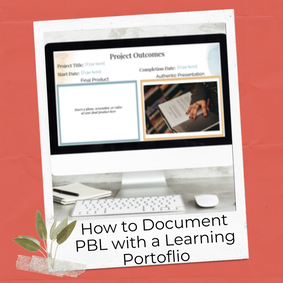 How do I Start? Go back to my blog post on steps in project-based learning for a detailed post on how to facilitate self-directed project-based learning in your classroom or project based homeschool. I also recommend grabbing some of the tools that I mentioned above. You can get my editable Google Slides personal learning plan, self-directed PBL design workbook, PBL tool kit with rubrics and reflection materials, and digital PBL planners for both teachers and students in my self-directed project-based learning starter kit. This kit includes the editable Google Slides learning reflection template as a free bonus resource. Alright, so now you know the "why", the "when", and the "how" of personalized self-directed project-based learning. The only thing that could possibly be holding you back at this point is self-doubt! Don't let that get in the way. YOU CAN DO THIS. The hardest part is getting started. A little guidance from Experiential Learning Depot will give you the confidence to start. Once you try it you'll never look back. You'll be hooked! Good luck to you, and if you ever have questions, reach out!  Follow Experiential Learning Depot on Pinterest, Facebook, Youtube, and Instagram for more on experiential education, and check out my TpT store for experiential learning resources.
Did you know there is an experiential learning Facebook group? Check that out - Experiential Learning Community for K12 Teachers - and join in the discussion about experiential learning ideas such as citizen science.
0 Comments
Your comment will be posted after it is approved.
Leave a Reply. |
Blog IntentTo provide innovative educational resources for educators, parents, and students, that go beyond lecture and worksheets. AuthorSara Segar, experiential life-science educator and advisor, curriculum writer, and mother of two. 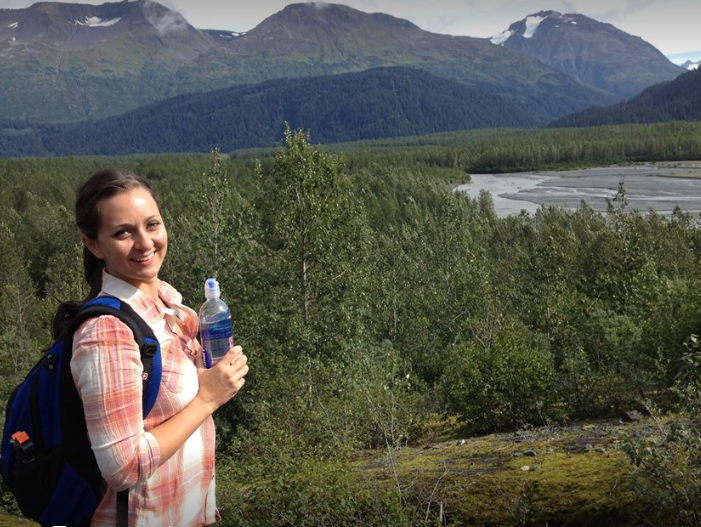
Categories
All
|
 RSS Feed