|
Experiential learning resources for the innovative educator
 How do you engage students at the end of the year? Ahhhh one of life's biggest questions! I don't know about you, but my high school students are ready to be done after spring break, and it SHOWS big time. What do I do about it? How do I engage them at the end of the year? I let them choose from some of their favorite experiential learning activities.  The end of the school year is among us, and everyone is tired (me 🙋♀️). You're tired, your students are tired. Testing season is wrapping up, some students are studying for finals or completing big projects. Others are helping prepare for end of the year events such as prom or graduation. Let's face it. It's a lot. Implementing experiential learning activities in your classroom these last few weeks leading up to the last day of school may be the answer you're looking for. Why not let down your hair a bit and give your students a little freedom and autonomy to choose their own adventure. Letting them choose from some experiential learning options boosts that intrinsic motivation you're looking for during this wild time of year. They have fun and learn at the same time! I've compiled a list of my student's favorite experiential learning activities to do at the end of the year. Those listed in this post are not necessarily easy. They are interesting, fun, hands-on, reflective, powerful, interest-led, personalized, relevant, and all of the other characteristics of experiential learning. They are meaningful ways to end the year strong! Let's do it! 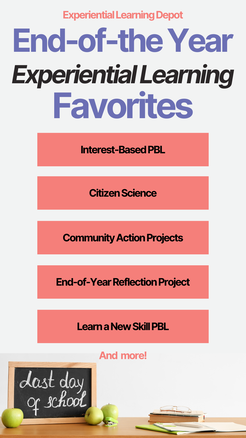 Student-Favorite End of the Year Experiential Learning Activities1. Interest-Based Project-Based Learning (Similar to a Passion Project) Giving students the chance to explore topics and questions of interest is a great way to move away from end of year stressors such as testing. Project-based learning is a sustained inquiry approach to learning that solves a problem or makes an impact on the community in some way. Here's an interest-based project-based learning example: One of my students is interested in and super involved in road biking. He could design a project-based learning experience around this interest that is impactful and subject-integrated.
See where I'm going with this? Students are following their passions while learning, while having fun, while building skills, while making an impact. It doesn't get better than that! What a great and engaging way to end the school year, am I right? One of my favorite aspects of interest-based PBL is the exhibition event that we host to showcase projects. My students lead their own interest-based PBLs all year round, but if you only have one opportunity to do it, the end of the year is a great time! 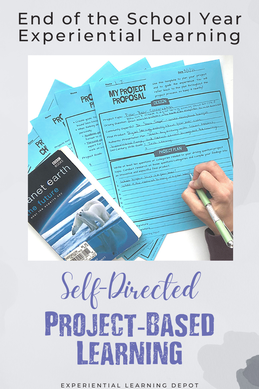 2. Citizen Science I like to engage my students by getting them outside at the end of the year. In temperate regions it is finally getting warm enough to do so. It helps students relax from a stressful season. Citizen science is a great way to do this. Citizen science projects get students involved in gathering data for scientists on a variety of research studies. The experiences integrate disciplines such as math, mapping, economics, literacy, writing, science and so much more. There are loads of citizen science projects already established by reputable organizations online that students can easily participate in. Those experiences are powerful and engaging in themselves. If you'd like to enhance the experience, consider adding a student-led PBL element into the mix (as mentioned in #1 of this post). For example, there is a citizen science project called Bumble Bee Watch. My kids actively participated in this citizen science project, which basically consists of spotting bees in the community and identifying them and reporting their locations using the app. As an extension of this, my kids designed a PBL to design and build their own bee pollinator garden. These citizen science projects can be as lengthy or brief as you would like. Just hop online and browse some options to determine what could work for you and your students. 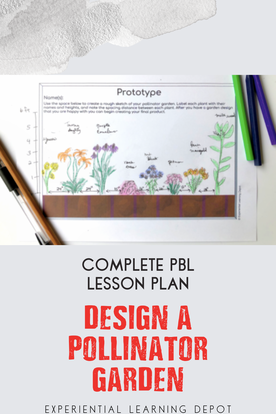 3. Community Action Projects Community action projects are similar to self-directed project-based learning activities, but there is an additional community and problem-solving element, which makes it another favorite end of the year experience. It's a cool mix of project-based learning, problem-based learning, and service-learning. Students choose a community issue of interest, explore that issue, brainstorm solutions, develop an action plan, and take action. Here is a community action project example: A group of students came together to form an Environmental Science Club, dedicated to raising awareness about environmental issues and promoting sustainable practices within our community. They scheduled weekly meetings, organized activities, and the club members explored various topics such as climate change, biodiversity conservation, waste reduction, and renewable energy. They organized educational workshops, community clean-up events, and tree planting initiatives to actively contribute to environmental conservation efforts. This community action project successfully engaged the community in discussions and actions around protecting the environment. Community action projects are great for the end of the year because they're really impactful and meaningful learning experiences. 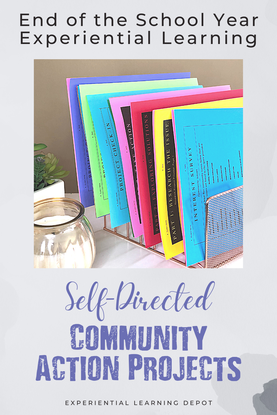 4. Multi-Cultural Fair My students love to study culture and heritage, whether it be their own or another heritage of interest. I say this is a great end of the school year project because its fun. My students LOVE it. I like to have each student or small groups study heritage looking at ancestry, traditions, language, food, and so much more. They then develop an interactive exhibit with information about their heritage as well as artifacts, food samples, recipes, performances, etc. to share with visitors. We then host an exhibition night for students to share their projects with friends, family, and the community. It is always a lively event to help celebrate the diversity of cultures in our community AND the end of the year. 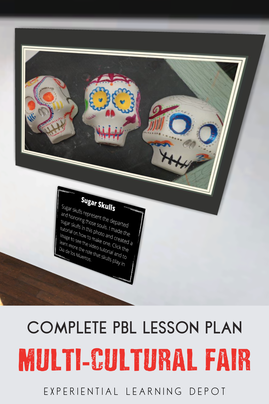 5. Plan a Trip Around the World Project I add this trip planning activity to the list of great experiential learning activities to end the year because it's fun and personalized. My students love doing this and it's one of my most popular resources. I have my students approach this experience from a project-based learning angle because that's what we do, but you could go about this anyway you'd like. The point is that for whatever reason, it interests the kids. I also like this one because it is crosses subjects and incorporates opportunities to build many 21st-century competencies. Students budget, plan, organize, practice research skills, learn geography, and so much more. 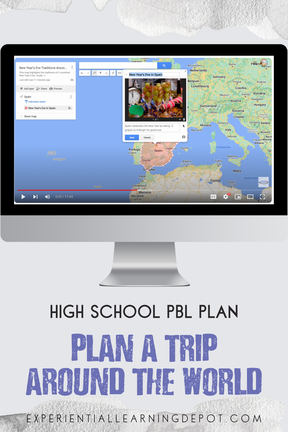 6. Learn a New Skill Learning a new skill is a great foundational theme for a personalized project-based learning experience. I like this one because it helps students that have never done project-based learning before ease into it. Rather than dump an advanced PBL activity on students at the end of the year, this is a good way to test the waters. It is also personalized and very interest-led so students find it fun and entertaining. I also like this new skill project for the end of the year because it inspires older students to start looking at resume builders and planning for some resume building over summer break. Giving students the nudge to develop new skills will get them on track to start thinking and getting serious about college and career readiness. 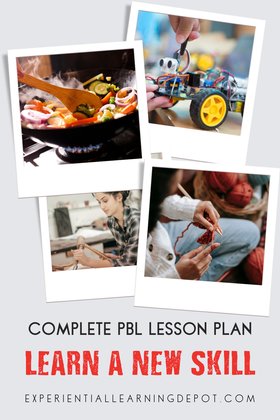 7. Hometown Tour My students create their own hometown tours every year. I like to do this at the end of the school year for a couple of reasons:
We often use Google Maps to create final products. This is a great way to promote tech literacy skills. I put together a video tutorial a while ago that walks you through the steps of creating tours on Google Maps. Don't forget to check that out! 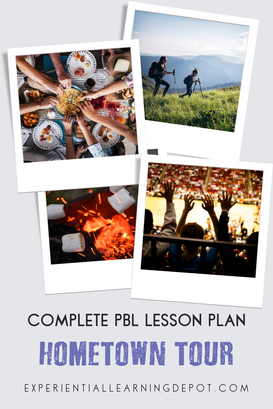 8. End of the School Year Learning Reflection Slideshow An important characteristic of experiential learning is reflection. My students reflect after every learning experience, project, quarter, and more. At the end of the school year I have my students do a more comprehensive reflection by looking back over the entire year or semester. They create a reflection slideshow. Students answer writing prompts, insert videos and/or images, share quotes representative of their experiences over the course of the year and more. When they have completed their slideshows they share them with the class, parents and caretakers, or the whole school depending on the situation. Such an important part of learning, and life for that matter, is looking back over experiences, goals, and growth so as to take pride in accomplishments and better plan for the future. This is a great way to end the year. 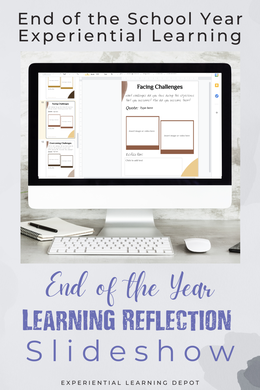 Another great way to look back over the year is to have students build project portfolios. They can add project experiences, evidence of learning, and reflections right to their portfolios. You can get my project portfolio template FOR FREE! 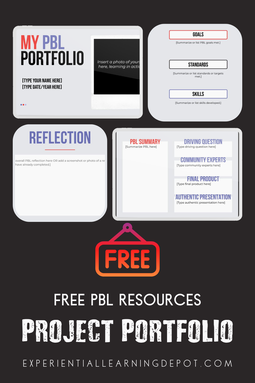 9. Develop Summer Businesses Something I have started doing in May, just within the last couple of years, is having my students develop businesses. They spend all of May brainstorming ideas, writing a business plan, developing a budget, creating marketing materials, and more, and I am there to facilitate. The purpose of this experience is to prepare them to launch their own businesses in the summer to make a little extra cash. Going through the steps of starting a business a is super valuable in that if a student chooses a career path in entrepreneurship, they will have already been through the process. I've had students start businesses related to food, babysitting, dog-walking, landscaping, t-shirt selling, skateboard coaching, swim lessons, and so much more. They don't have to develop a multi-million dollar company for this experience to be worth-while. As I said, it's to lay the foundation. 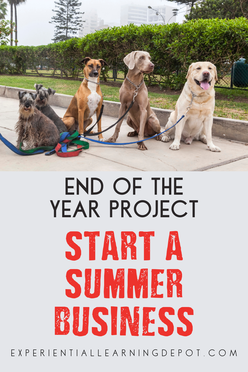 10. Student-Led Fundraisers My students love a good fundraiser. Spring is a great time, around here anyway, for fundraisers. It's finally warmed up and people are excited to get out and about. There's an energy stemming from nice weather and the school year wrapping up. I like to have my students take advantage of this buzz by planning and hosting their own fundraisers. Make it experiential by making it student-led. Give students choice in fundraiser type, marketing efforts, tools used for planning, and even how to use the funds that are raised. They can determine if they'd like to donate earnings to an important community cause, use the money for an end of the year party or experience, put the money back into the school, and so on. They decide! All of these choices increase motivation and make the experience that much more meaningful. 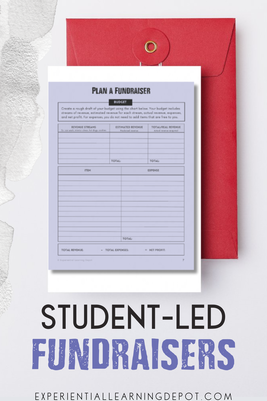 11. Dinner Party on a Budget I often have my students plan dinner parties on a budget as a hypothetical scenario. They don't necessarily cook the meals that they plan for. In other words, it can just be a budgeting exercise. But it could also be a real "dinner party" plan that is actually carried out. I like to have my advisory students do this as an end of the year celebration. First, they develop a menu within the confines of whatever budget you set for them. Instead of dinner entrees they could add snacks or appetizers to the menu. They make the food together and serve it at their end of the year party or celebration. This experience is a fantastic skill-builder as well as a powerful way to bring the group together one last time to celebrate their time with one another. 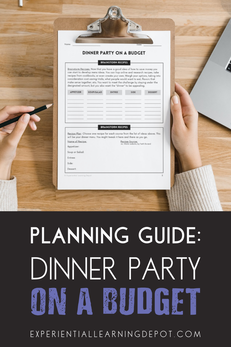 12. DYI Party Games Last but not least, get your students into a super hands-on, design thinking activity! I like to have my students design and create their own party games that students actually play at our school's end-of-the-year party. They've made carnival type games, competitive sports games, card games, and more. Some have hosted tournaments, and ALL students donate their games to the school or local youth programs. This is a great activity for team-building and creative problem-solving, and is a student favorite! 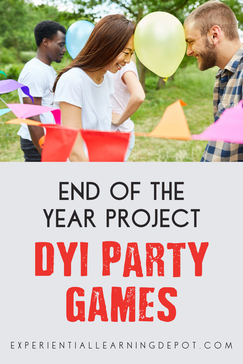 What are some of your favorite ways to celebrate and end the school year in your classroom or home learning environment? Throw your ideas in the comments! Good luck to you all and have a fabulous last few weeks of school. Check out these self-paced experiential learning courses perfect for summer: Relevant Experiential Learning Blog Posts: Follow Experiential Learning Depot on Pinterest, Facebook, Youtube, and Instagram for more on experiential education, and check out my TpT store for experiential learning resources.
Did you know there is an experiential learning Facebook group? Check that out - Experiential Learning Community for K12 Teachers - and join in the discussion about experiential learning ideas!
0 Comments
Your comment will be posted after it is approved.
Leave a Reply. |
Blog IntentTo provide innovative educational resources for educators, parents, and students, that go beyond lecture and worksheets. AuthorSara Segar, experiential life-science educator and advisor, curriculum writer, and mother of two. 
Categories
All
|
 RSS Feed